
Exploring the Neighborhoods of Albuquerque, New Mexico
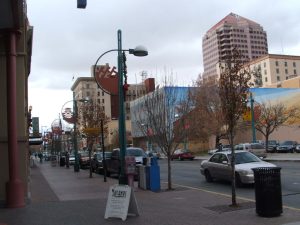 Albuquerque, New Mexico, is a city with a unique mix of Southwestern history, outdoor adventure, local culture, and modern amenities. One of the things that makes Albuquerque such an appealing place to live, visit, or invest is the variety of neighborhoods throughout the city. Each area has its own personality, attractions, restaurants, shopping, and lifestyle.
From the historic streets of Old Town to the scenic neighborhoods of the North Valley and the bustling areas of the Northeast Heights, Albuquerque offers something for nearly everyone. Whether you are looking for a walkable urban atmosphere, a quiet residential setting, access to outdoor recreation, or convenient shopping and dining, exploring the city’s neighborhoods is a great way to experience what makes Albuquerque special.
Old Town Albuquerque: History and Southwestern Charm
Old Town is one of Albuquerque’s most recognizable and historic areas. Established in 1706, the neighborhood has long been an important center of the city’s culture and community.
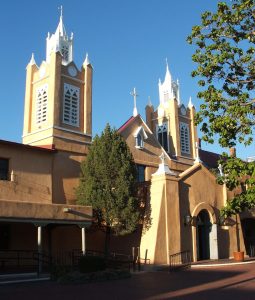
The area is characterized by historic adobe buildings, charming plazas, colorful architecture, local shops, galleries, restaurants, and museums. Visitors can spend hours exploring the narrow streets, browsing Southwestern artwork and crafts, enjoying traditional New Mexican cuisine, or simply taking in the historic atmosphere.
The San Felipe de Neri Church and Old Town Plaza are among the area’s most notable landmarks. Old Town is also a popular destination for people interested in New Mexico’s history, art, culture, and distinctive Southwestern character.
For residents and visitors alike, Old Town offers an experience that feels distinctly Albuquerque.
Nob Hill: Route 66, Restaurants, and Local Energy
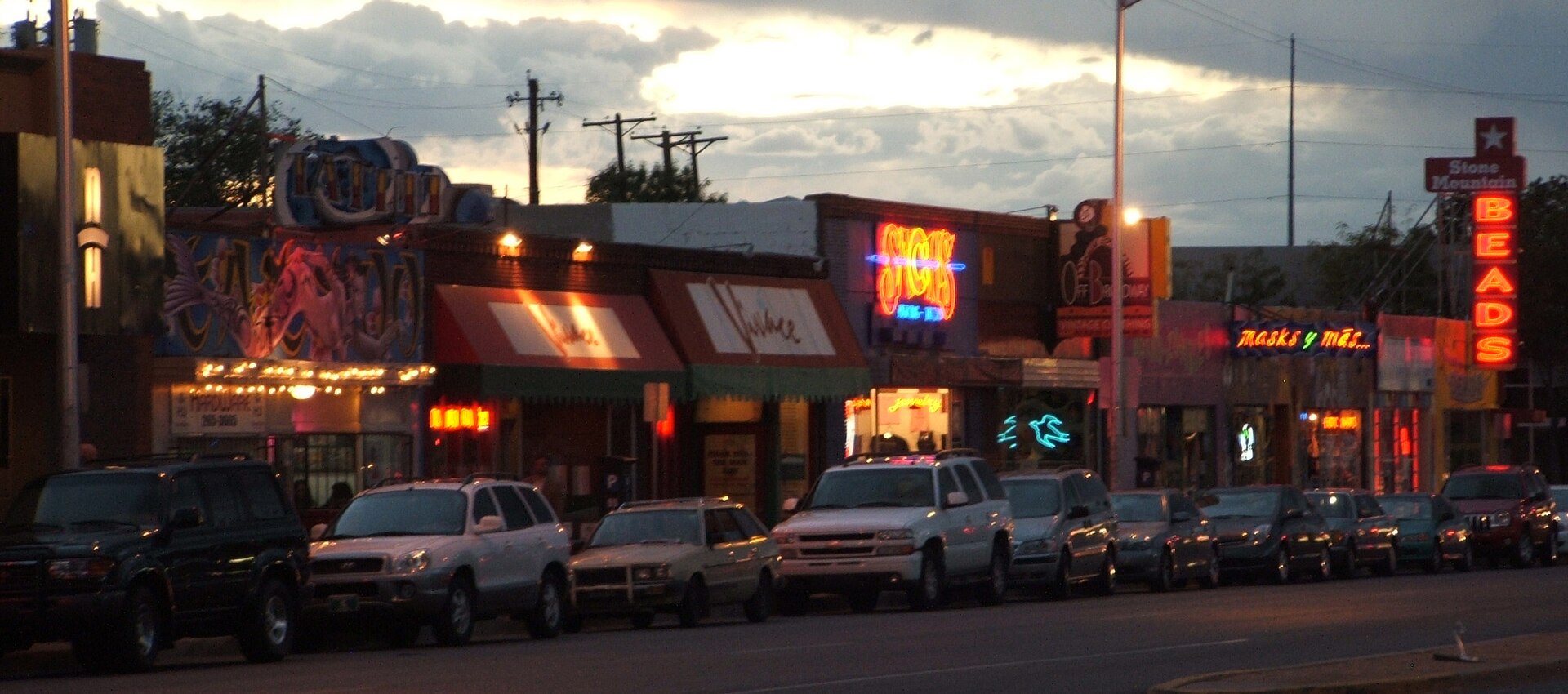
Located along historic Route 66, Nob Hill is one of Albuquerque’s most vibrant neighborhoods. The area combines classic mid-century architecture with independent businesses, restaurants, coffee shops, boutiques, bars, and entertainment.
Central Avenue runs through the heart of Nob Hill, making it a popular destination for people who enjoy being close to restaurants and local businesses. The neighborhood has an energetic atmosphere and is particularly appealing to people who enjoy walking around, dining out, shopping, and experiencing Albuquerque’s local culture.
Nob Hill also benefits from its location near the University of New Mexico, giving the area a youthful and active feel.
For anyone looking for a neighborhood with personality and plenty to do, Nob Hill is one of Albuquerque’s standout destinations.
North Valley: A Quieter Side of Albuquerque
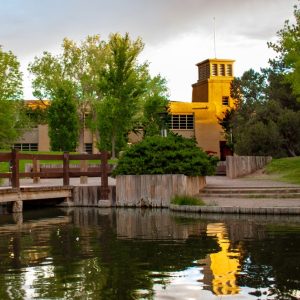
 The North Valley provides a very different experience from the busier commercial districts of the city. Located along the Rio Grande, this area is known for its open spaces, mature trees, agricultural land, historic properties, and quieter atmosphere.
The neighborhood’s connection to the river and surrounding farmland gives it a distinctive rural character while still being close to Albuquerque’s urban amenities. The Bosque, the wooded area along the Rio Grande, provides opportunities for walking, biking, wildlife viewing, and enjoying the outdoors.
The North Valley is particularly attractive to people who want more space and a peaceful environment without giving up convenient access to the city.
Northeast Heights: Shopping, Views, and Convenience
The Northeast Heights is one of Albuquerque’s larger and more established residential areas. The neighborhood stretches toward the Sandia Mountains and offers many homes with impressive mountain views.
Residents have convenient access to shopping centers, restaurants, schools, parks, medical services, and other everyday amenities. The area is also close to several popular outdoor destinations, making it easy to transition from city life to mountain recreation.
One of the biggest attractions of the Northeast Heights is its location. The Sandia Mountains provide a dramatic backdrop, while nearby roads provide access to hiking, biking, skiing, and other outdoor activities.
For families and people looking for a suburban-style environment with plenty of amenities, the Northeast Heights offers a convenient option.
Uptown Albuquerque: Shopping and Business
 Uptown is one of Albuquerque’s major shopping and business districts. The area features a wide variety of retail stores, restaurants, offices, hotels, and entertainment options.
Coronado Center and ABQ Uptown are two of the area’s major commercial destinations. Together, they provide access to national retailers, local businesses, restaurants, and services.
Uptown’s central location also makes it convenient for people who want easy access to other parts of Albuquerque. Its combination of shopping, dining, employment opportunities, and residential neighborhoods makes it an important part of the city’s overall economy.
Downtown Albuquerque: Urban Living and Entertainment
Downtown Albuquerque offers a more urban experience, with historic buildings, restaurants, breweries, entertainment venues, businesses, and cultural attractions.
The area has experienced significant redevelopment over the years, creating a mixture of historic architecture and newer development. Downtown is also home to events, festivals, live entertainment, and local businesses that contribute to Albuquerque’s growing urban culture.
Its location provides convenient access to other central neighborhoods and attractions, making Downtown an appealing choice for people who enjoy being close to restaurants, entertainment, and city activity.
Westside: Growth, Space, and Outdoor Access
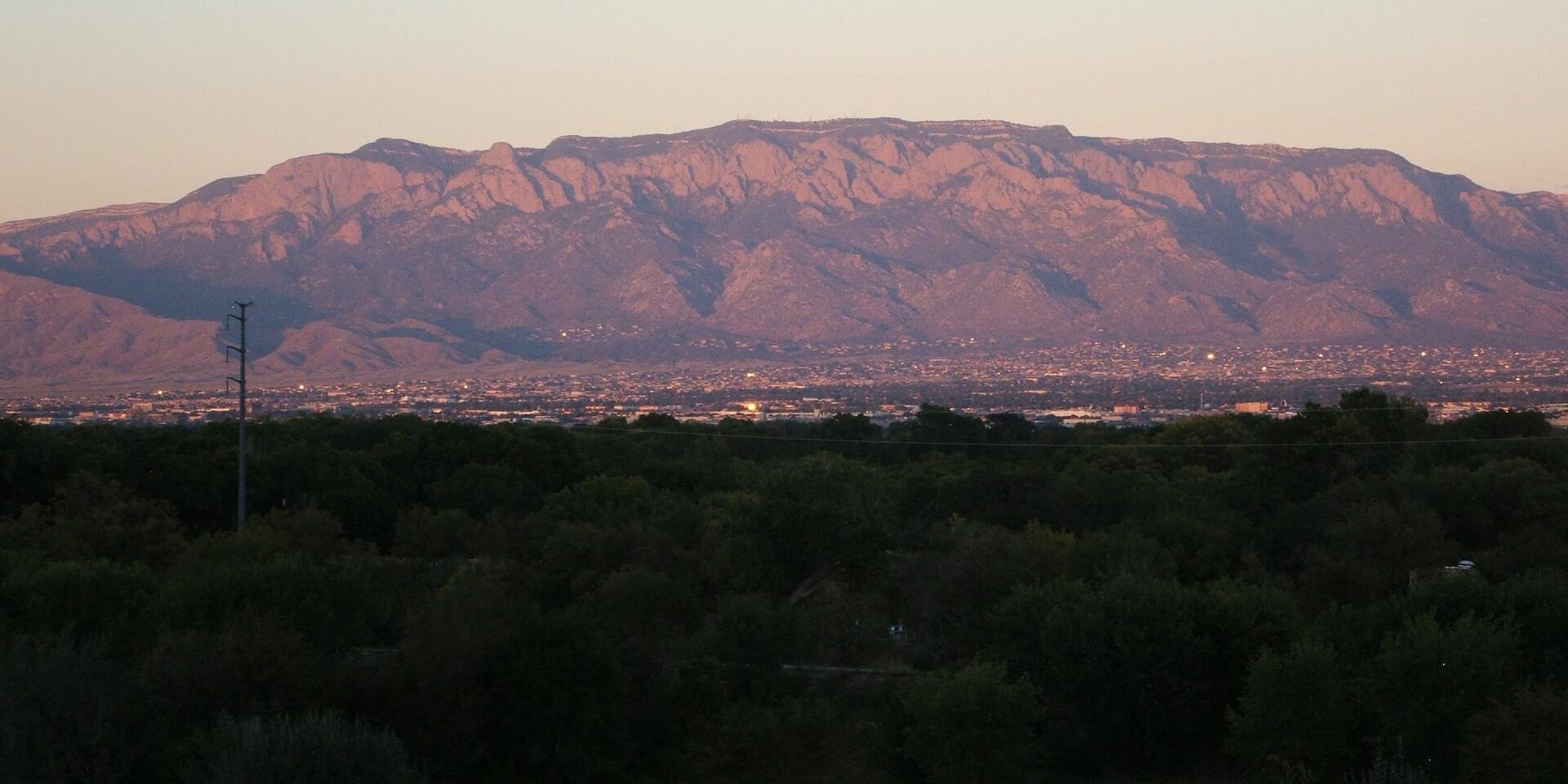
Albuquerque’s Westside has experienced substantial residential growth and development. The area offers a variety of newer neighborhoods, shopping centers, restaurants, schools, and community amenities.
One of the Westside’s biggest advantages is its proximity to outdoor attractions. Petroglyph National Monument is one of the area’s most significant destinations, featuring thousands of ancient images carved into volcanic rock by Native American and Spanish settlers.
The Westside also offers expansive views of the Sandia Mountains and access to major roads connecting residents with other parts of the city.
For people interested in newer homes, growing communities, and convenient access to outdoor recreation, the Westside can be an attractive option.
South Valley: Community and Tradition
The South Valley has a strong sense of community and a long agricultural and cultural history. Located south of central Albuquerque along the Rio Grande, the area features farmland, historic properties, local businesses, and established neighborhoods.
The South Valley is known for its connection to traditional New Mexican culture, including agriculture, food, art, and community events. The area provides a different perspective on Albuquerque and showcases some of the cultural traditions that have shaped the region for generations.
Its location along the Rio Grande also provides opportunities to enjoy the surrounding natural environment.
The Foothills: Mountain Living Close to the City
 The Foothills area sits along the eastern edge of Albuquerque near the Sandia Mountains. One of its biggest attractions is the scenery. Residents can enjoy panoramic views of the city, desert landscape, and mountains.
The area provides easy access to hiking trails and other outdoor activities, while still being within reach of Albuquerque’s shopping, restaurants, and services.
The Foothills can be especially appealing to people who enjoy an active lifestyle and want to live close to nature while maintaining access to city conveniences.
Finding the Right Albuquerque Neighborhood
One of the best things about Albuquerque is that there is no single definition of what it means to live in the city. The neighborhoods offer a wide range of environments and lifestyles.
Those interested in history and culture may be drawn to Old Town. People looking for restaurants, nightlife, and Route 66 character may prefer Nob Hill. Those seeking a quieter setting with access to the Rio Grande may find the North Valley appealing.
The Northeast Heights and Uptown offer convenient shopping, established neighborhoods, and access to everyday amenities, while the Westside provides growing communities and proximity to attractions such as Petroglyph National Monument. Downtown offers a more urban atmosphere, while the South Valley and Foothills provide their own distinctive combination of community, scenery, and outdoor access.
Experience Albuquerque for Yourself
Albuquerque’s neighborhoods are an important part of what makes the city unique. From historic adobe buildings and Route 66 to mountain views, the Rio Grande, desert landscapes, and growing residential communities, every part of the city has something different to offer.
Whether you are visiting Albuquerque, considering moving to the area, searching for a home, or exploring local investment opportunities, taking the time to experience different neighborhoods can help you discover which part of the city best fits your lifestyle.
With its combination of history, culture, outdoor recreation, local businesses, and diverse communities, Albuquerque continues to offer plenty of places to explore—and plenty of neighborhoods to call home.
For more information about Albuquerque’s neighborhoods, reach out today. Lets discuss your real estate goals. Please call Usha Thakur at (505) 435-5384 today!
If